Real World Evidence2026-09-16T13:13:53-04:00

Real-World Evidence Studies for MedTech Decisions

START WITH THE DECISION YOUR EVIDENCE NEEDS TO SUPPORT
  • Real-world evidence can help answer questions that are difficult to address with a traditional trial alone. The right RWE study starts with the decision to be informed, then works backward to define the research question, population, outcomes, comparator, and data source.

  • Depending on the question, RWE can be used to characterize patient populations, identify unmet needs, evaluate utilization and outcomes in routine care, understand treatment patterns, and assess how a technology performs outside a tightly controlled study setting.

  • When derived from RWD of sufficient quality, RWE may be used to achieve an understanding of a medical device’s benefit-risk profile (safety and efficacy) and support regulatory decisions such as approval or clearance of a new device expanding indications for use.

MATCH THE DATA SOURCE TO THE RESEARCH QUESTION
  • The availability of large and diverse health-related datasets has increased as a result of recent advances in technology and analytical capabilities as well as increased adoption of wearable devices, mobile applications, and remote access technology. This has led to the increased use of real-world evidence among medtech innovators, payers, providers, and patients.

  • Potential real-world data sources include disease and device registries, patient-reported outcomes, claims and billing records, electronic health records, and data from connected or biometric monitoring devices. The best source depends on whether the needed population, exposure, comparator, outcomes, follow-up, and confounders can be measured reliably.

  • In addition to regulatory stakeholders, other stakeholders such as payers and providers rely on RWE in HTA and reimbursement decisions.

DESIGN RWE AROUND THE DECISIONS THAT MATTER
  • TTi helps MedTech teams define the research question, assess candidate data sources, address access and governance constraints, and design analyses that produce evidence for different stakeholders.

  • We can support study design, data-source selection, analytic planning, and interpretation so the resulting evidence is aligned with the clinical, payer, or health-system question it is intended to answer.

  • When appropriate, RWE can complement planned or ongoing clinical research by addressing additional questions about utilization, outcomes, or value in routine practice.

Stethoscope in front of EKG charts.

Insights

Related Solutions

Analyst conducting due diligence and studying data in front of two computer monitors.

Database Study Design

Team of scientists designing a clinical trial at a conference table.

Clinical Trial Protocol Design

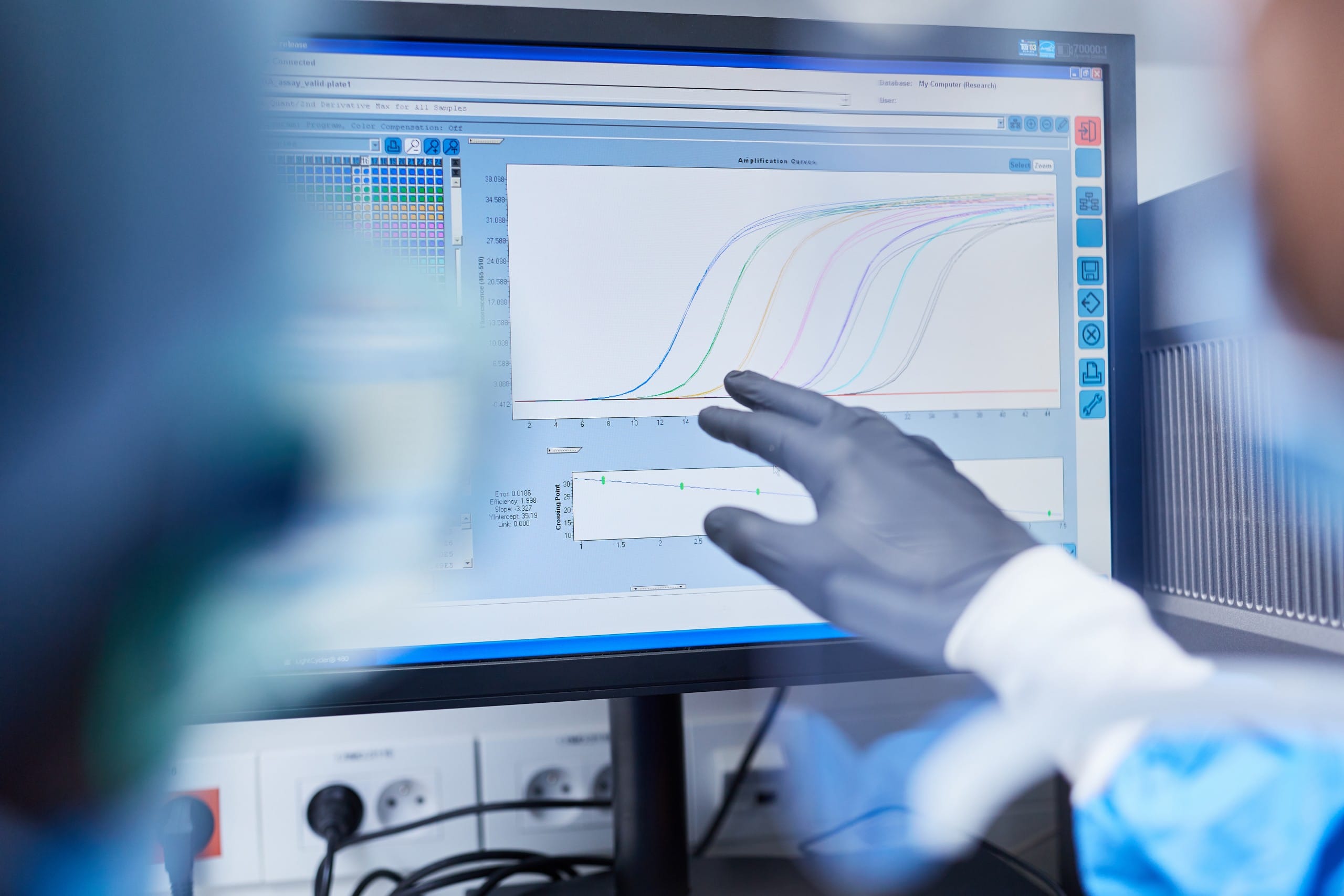
Computer monitor showing various data and graphs, gloved hand of a scientist pointing at data chart.

Data Analysis & Biostatistics

Make Use of Existing Data

Discuss your RWE study.

Go to Top